
Understanding Childhood Attachments: How Early Bonds Shape Us Today
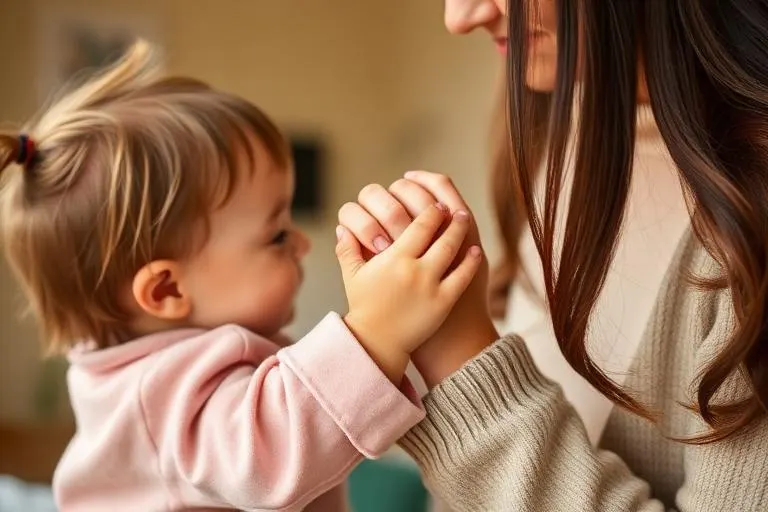
For many women, healing begins with exploring the roots of emotional pain. One important, yet often ignored, aspect is how they were cared for as children. The relationships developed with caregivers affect self-perception, interactions with others, and feelings of safety in the world.
These primary emotional bonds, known as attachments, can help us thrive or, if damaged, lead to lasting wounds that persist into adulthood. By looking at attachment and childhood trauma, we take crucial steps toward reclaiming security, confidence, and connection.
What Are Childhood Attachments?
Attachment theory explains how our earliest relationships shape lifelong patterns of trust, connection, and emotional regulation. There are four main attachment styles:
-
Secure Attachment – The child feels safe and knows their needs will be met consistently.
-
Anxious Attachment – The child becomes overly dependent or fearful due to unpredictable caregiving.
-
Avoidant Attachment – The child learns to shut down emotionally when caregivers are distant or rejecting.
-
Disorganized Attachment – The child experiences confusion or fear, often when caregivers are both a source of comfort and harm.
These attachment styles don’t disappear as we grow up. Instead, they often appear in adult relationships, especially when it comes to trust, vulnerability, and emotional intimacy.
How Insecure Attachment Shows Up in Adult Life
Anxious Attachment in Adulthood:
- Fear of abandonment or rejection
- Need for constant reassurance in relationships
- Difficulty being alone
- Tendency to become overly focused on others’ moods
- Self-doubt and low self-worth
Avoidant Attachment in Adulthood:
- Difficulty with emotional intimacy
- Tendency to withdraw when relationships get “too close”
- Discomfort with others’ emotions
- Preference for independence, sometimes to a fault
- Difficulty asking for help or support
Disorganized Attachment in Adulthood:
- Conflicting desires for closeness and distance
- Intense fear of abandonment paired with fear of intimacy
- Difficulty regulating emotions
- Tendency toward chaotic or unstable relationships
- May struggle with identity and self-image
The Connection Between Attachment and Trauma
Childhood trauma, whether from abuse, neglect, inconsistent caregiving, or other adverse experiences, directly impacts attachment formation. When a child’s primary caregivers are also sources of fear or unpredictability, the child’s nervous system learns to expect danger even in close relationships.
This creates what we call “attachment trauma”: wounds that form not from single incidents, but from patterns of relationship that taught us the world wasn’t safe, our needs wouldn’t be met, or that love was conditional.
How Attachment Wounds Affect Your Nervous System
Your attachment style influences how your nervous system responds to stress and connection:
- Anxious Attachment: Nervous system is often hyperactivated, scanning for threats to the relationship
- Avoidant Attachment: Nervous system shuts down emotional responses to protect from disappointment
- Secure Attachment: Nervous system can regulate effectively, using relationships as a source of co-regulation
Understanding your nervous system patterns can help you recognize when you’re responding from old wounds rather than present reality.
Healing Attachment Wounds Through Therapy
- EMDR (Eye Movement Desensitization and Reprocessing): Helps process specific memories that shaped your attachment style and reduces their emotional charge.
- Internal Family Systems (IFS): Explores the different parts of you that developed to cope with early attachment experiences.
- Somatic Therapy: Works with the body to heal nervous system patterns formed in early relationships.
- Emotion-Focused Therapy (EFT): Helps you identify and express emotions that may have been suppressed in childhood.
Developing Earned Security
The beautiful thing about attachment is that it’s not fixed. Through healing relationships (whether in therapy, friendship, or romantic partnerships), you can develop what’s called “earned security.”
This means that even if you didn’t receive consistent, attuned caregiving as a child, you can still learn to:
- Trust yourself and others appropriately
- Regulate your emotions effectively
- Form healthy, secure relationships
- Feel worthy of love and care
Signs You’re Developing Secure Attachment
- You can be alone without feeling anxious or abandoned
- You can be close to others without losing yourself
- You communicate your needs directly and kindly
- You can offer and receive comfort in relationships
- You trust your own perceptions and feelings
- You can repair relationships after conflict
- You feel generally safe in the world
Reparenting Yourself
Part of healing attachment wounds involves learning to give yourself what you needed as a child:
- Consistency: Following through on commitments to yourself
- Attunement: Paying attention to your own needs and feelings
- Comfort: Soothing yourself during difficult times
- Validation: Acknowledging your experiences without judgment
- Protection: Setting boundaries to keep yourself safe
The Journey to Healing
Healing attachment wounds is a process, not a destination. It involves:
- Understanding your attachment style and how it developed
- Recognizing when old patterns are activated
- Learning new ways of relating to yourself and others
- Practicing self-compassion as you grow
- Finding safe relationships for healing and growth
Remember: Your early experiences shaped you, but they don’t define your entire capacity for connection. With awareness, support, and patience, you can heal these deep wounds and create the secure, loving relationships you deserve.
The child within you who was hurt is still deserving of love, care, and healing. It’s never too late to give yourself what you needed then and create what you need now.